Buying A Waterfront Or View Condo In Fairhaven
June 25, 2026
June 25, 2026
Dreaming about a condo where you can step out for a waterfront walk, catch bay views, and enjoy Fairhaven’s village feel? It is easy to see the appeal. But buying a waterfront or view condo in Fairhaven also means looking closely at parking, building upkeep, HOA finances, and the day-to-day reality of a working waterfront. This guide will help you sort through the tradeoffs so you can buy with more confidence. Let’s dive in.
Fairhaven is one of Bellingham’s most distinctive condo areas because it blends a compact historic district with waterfront access, trail connections, and an active port setting. The historic district covers about three and a quarter blocks, and much of its character comes from buildings tied to the 1889 to 1891 boom.
That history shapes the condo market today. In Fairhaven, condo options often feel more boutique and village-scale than large and suburban. You are more likely to compare mixed-use buildings, smaller infill projects, and view-oriented units than big condo complexes with oversized footprints.
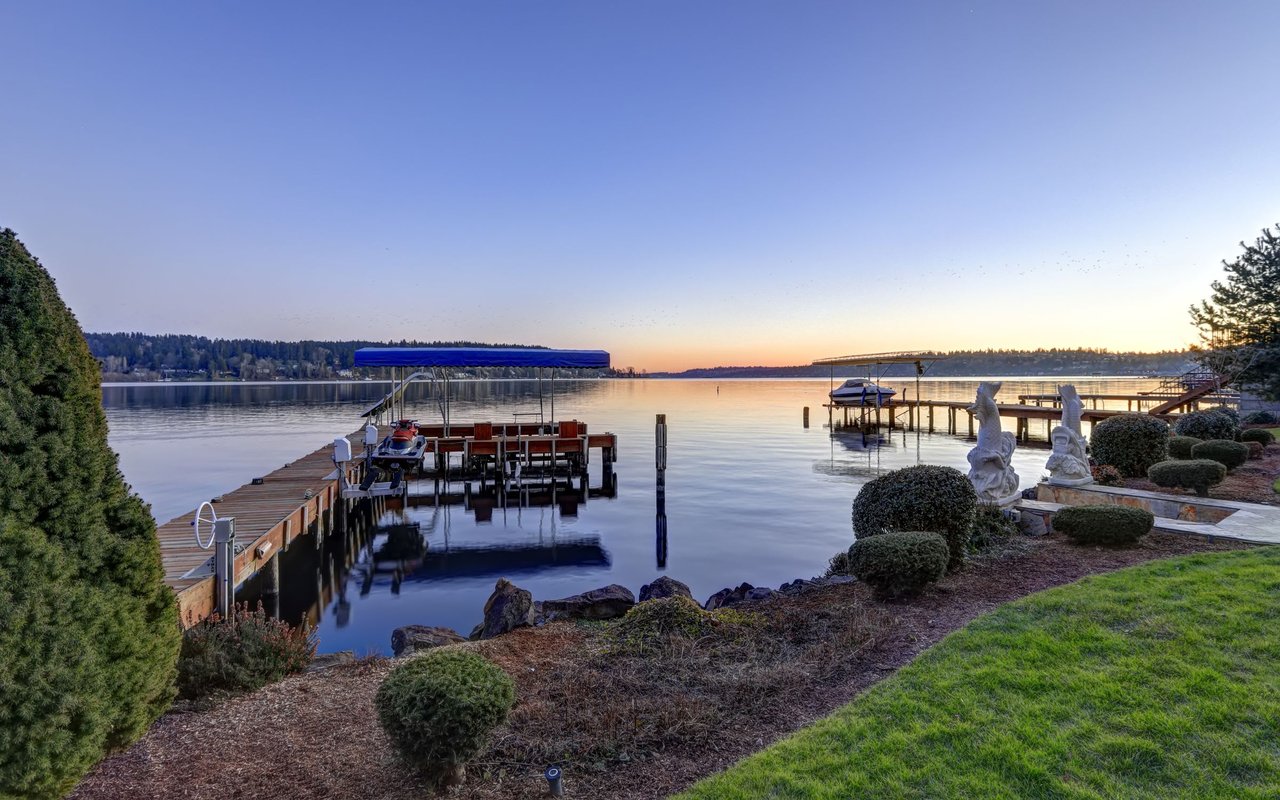
If you are picturing a quiet beach enclave, Fairhaven may feel different in person. The waterfront here is not purely residential. City and Port information shows an area that includes small boat building and repair operations, plus the south terminal as a deep-water facility with truck and railroad access.
That mix is part of the charm for many buyers, but it also changes the ownership experience. One block can feel tucked away and scenic, while another may be closer to activity, traffic, or terminal movement. In Fairhaven, a great view does not always mean a quiet setting.
For many buyers, Fairhaven is about choosing lifestyle first. You get walkability, access to parks and trails, and a unique historic setting. In exchange, you may need to accept less parking, more mixed-use energy, and closer attention to HOA and maintenance details.
Before you fall in love with a listing photo, think about how you want the condo to live on an ordinary Tuesday, not just on a sunny Saturday. The right fit usually comes down to how much you value view appeal, village access, and waterfront proximity compared with convenience features like dedicated parking or quieter surroundings.
Fairhaven can feel very different depending on when you visit. The Bellingham Cruise Terminal is the southern connection for the Alaska Marine Highway System and serves more than 200,000 passengers a year. The area also supports seasonal foot ferries and charter vessels, and Fairhaven Station adds train service connections to Seattle and Vancouver, British Columbia.
That level of activity matters when you are buying nearby. A unit that feels calm on a weekday morning may feel busier on a weekend evening. Touring at multiple times can give you a better sense of traffic, parking, noise, and how the block actually functions.
Parking deserves more attention here than many buyers expect. The city manages paid parking, time limits, and permits in Fairhaven, and it notes that weekends, evenings, and holidays are often the hardest times to park.
That means you should verify exactly what comes with the condo. Ask whether the unit has an assigned space, guest parking, garage access, or storage for bikes and gear. In a walkable district like Fairhaven, parking details can make a bigger difference in daily life than a slightly nicer interior finish.
When you compare condos, look at the total monthly ownership cost, not just the list price. HOA dues are usually separate from your mortgage, and they can materially affect affordability.
That is especially important in waterfront or view buildings, where exterior maintenance and shared systems can be more demanding. A lower purchase price may not be the better deal if monthly dues are high or if the association is underfunded and likely to face future special assessments.
In Washington, a resale certificate is required before closing. This document is one of your best tools for understanding what you are really buying.
The resale certificate must disclose monthly assessments, unpaid assessments, special assessments, reserves, insurance coverage, pending lawsuits, and other association details. The association must provide it within 10 days of request, and the preparation fee may not exceed $275.
For buyers, this is where important issues often surface. A beautiful Fairhaven condo can look turnkey during a showing, but the resale certificate can reveal budget pressure, planned work, or legal and insurance concerns that change the risk profile.
Reserve studies matter in any condo purchase, but they are especially important in marine-adjacent buildings. Washington law specifically tracks major components such as roofing, painting, paving, decks, siding, plumbing, and windows.
A current reserve study can help you see what the association expects to repair or replace, how much money is set aside, and whether any special assessments are already planned. If major components are missing or underfunded, owners may face larger costs later.
Do not assume a small HOA is automatically in great shape. In Washington, associations with 10 or fewer unit owners can exempt themselves from reserve-study requirements by a two-thirds vote renewed every three years. If there is no current reserve study, the resale certificate must say so.
If the condo is new or a conversion, ask for the public offering statement and any building-enclosure or warranty disclosures required under Washington’s condominium act. These documents can give you a clearer picture of construction details, warranties, and what the developer or association is responsible for.
This matters even more in a location near the water. New does not always mean low-risk, and conversions can come with a different maintenance history than purpose-built condo projects.
Marine-adjacent buildings deserve extra scrutiny for moisture and exterior condition. Coastal conditions can be more corrosive, and moisture problems can grow when leaks or ventilation issues are not addressed.
When you evaluate a Fairhaven waterfront or view condo, pay close attention to:
These items can affect both comfort and future cost. In many condo purchases, the condition of the building envelope matters just as much as the condition inside the unit.
Flood and shoreline questions should be addressed by property address, not general assumptions about the neighborhood. If a condo is in a FEMA-designated Special Flood Hazard Area, flood insurance is generally required when you have a mortgage.
You should also keep in mind that shoreline development around Bellingham Bay is actively regulated and evolving. The city’s shoreline work at Boulevard Park focuses on habitat, public access, erosion protection, and sea-level-rise resilience, which shows how important shoreline management remains in this area.
Some buyers compare Fairhaven with Bellingham’s downtown waterfront. The two areas offer very different experiences.
Fairhaven is the more established historic option, with brick storefronts, a compact village feel, and existing trail and park connections. The downtown waterfront is a former industrial area being redeveloped into a mixed-use neighborhood with residential uses and improved water access.
If you want a setting that feels settled and intimate, Fairhaven may be the better match. If you prefer newer development in an area that is still evolving, the downtown waterfront may appeal more.
For many buyers, Fairhaven’s strongest selling point is not just the condo itself. It is the connection to the surrounding waterfront and trail network.
From Marine Park, trails extend to the Taylor Street Boardwalk, Boulevard Park, and into downtown Bellingham. Marine Park offers a gently sloping beach and access for activities like beach combing, bird watching, and kayaking. Boulevard Park adds beach access, overwater boardwalks, trails, and viewpoints, while Fairhaven Park provides 136 acres of trails that connect back toward the historic district and Chuckanut Community Forest.
If your goal is a lock-and-leave home with easy outdoor access, Fairhaven can check a lot of boxes. The lifestyle value here often comes from what is just outside your front door.
Before making an offer on a waterfront or view condo in Fairhaven, make sure you verify:
The strongest purchase is usually not just the one with the best view. It is the one where the HOA is well funded, the building is sound, and the neighborhood’s energy fits the way you want to live.
Buying in Fairhaven is often about balancing charm and practicality. When you understand the tradeoffs up front, you can move forward with clarity and enjoy what makes this part of Bellingham so special. If you want local guidance on comparing Fairhaven condos, evaluating HOA documents, and narrowing down the right fit, Michelle Harrington can help you navigate the details with confidence.
Stay up to date on the latest real estate trends.

1318 12TH ST BELLINGHAM WA 98225