Living In Sehome: Architecture, Access, And Everyday Life
July 16, 2026
July 16, 2026
If you want a Bellingham neighborhood that feels central, connected, and full of character, Sehome deserves a close look. It offers a mix of older architecture, hillside streets, trail access, and practical connections to downtown, WWU, and daily essentials. Whether you are thinking about buying, selling, or simply getting to know the area better, understanding how Sehome works in real life can help you make a smarter move. Let’s dive in.
Sehome is one of Bellingham’s older central neighborhoods, with an estimated 4,894 residents and 2,574 housing units according to the City of Bellingham. The city’s housing data also shows that most of the neighborhood’s housing is multi-family, which gives Sehome a different feel from areas made up mostly of detached homes.
The neighborhood’s age shapes a lot of what you see day to day. More than 80 percent of Sehome’s housing is over 20 years old, and much of it is at least 50 years old. That maturity shows up in the street pattern, established landscaping, and the range of home styles spread throughout the area.
One of Sehome’s biggest draws is that it does not feel one-note. Instead of repeating the same home style block after block, the neighborhood reflects different building periods and housing types that developed over time.
The City of Bellingham’s historic survey notes that North Garden Street and nearby blocks developed as an early residential suburb with Queen Anne and Classical Revival houses, followed later by Arts and Crafts examples. Some of the area’s more prominent homes were based on pattern-book plans, which adds another layer to the neighborhood’s design history.
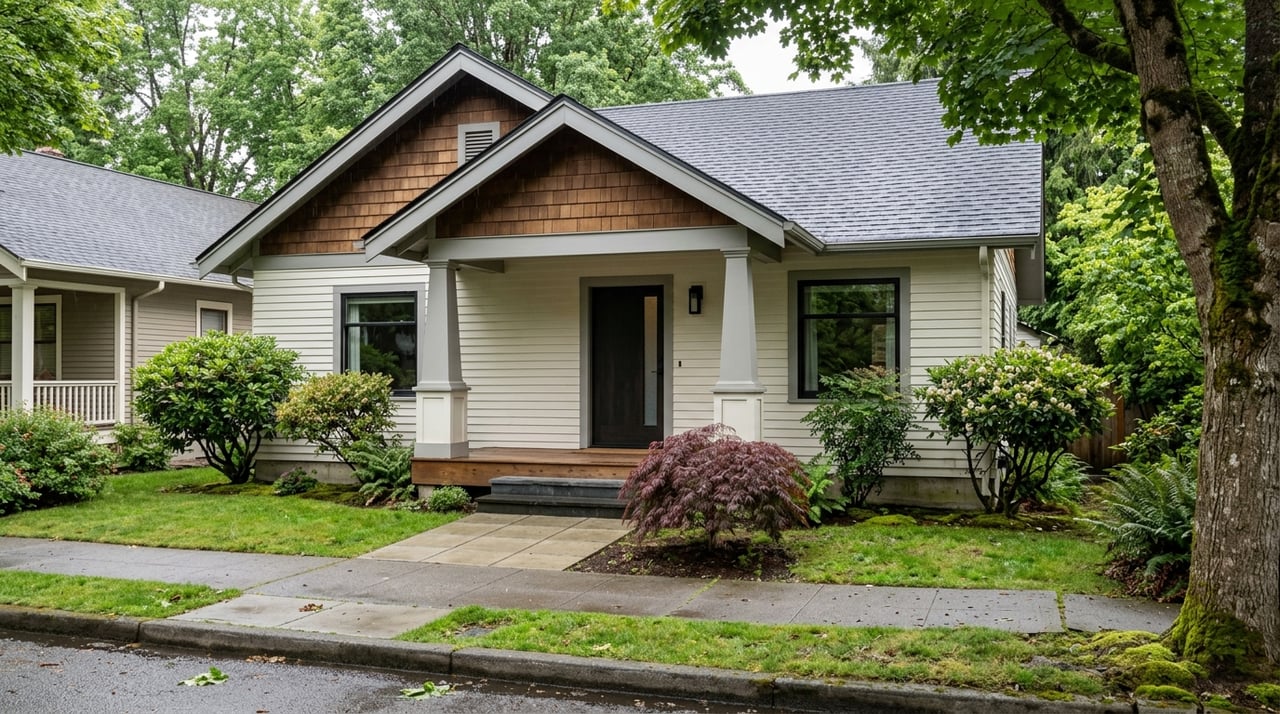
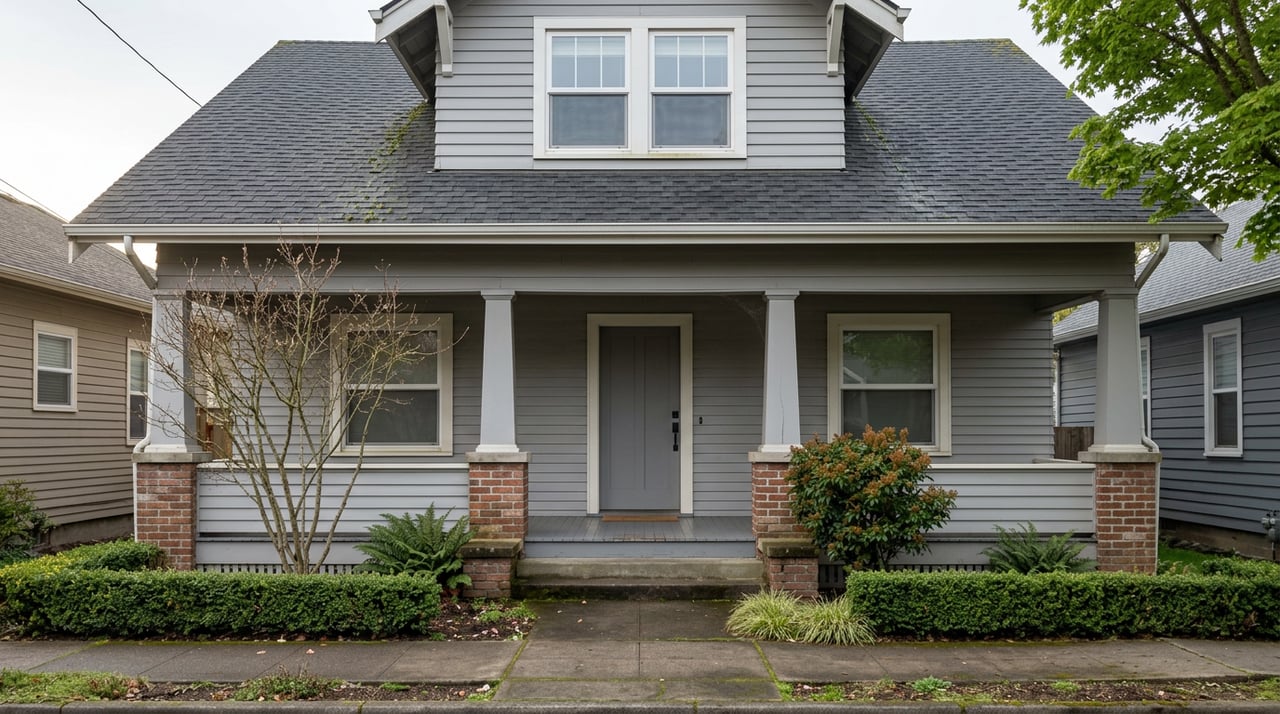
Within the Sehome Hill Historic District, many single-family homes were built between 1895 and 1930. Bungalow and Foursquare forms are common, along with Queen Anne and Craftsman styles. The district is described by the city as a highly intact early twentieth-century neighborhood, which helps explain why parts of Sehome feel especially rooted in Bellingham’s past.
The historic survey also notes that many of these homes were built by local Scandinavian carpenters. For buyers, that can make Sehome appealing if you appreciate older materials, established streetscapes, and architecture with visible personality.
Sehome is not only about historic houses. Current city data shows that about 61.4 percent of housing units are multi-family, while 15.3 percent are single-family. That mix helps explain why you may find apartments, converted residences, and detached homes within a relatively compact area.
For buyers, that creates a wider range of ownership and living options. For sellers, it means your property may be part of a neighborhood story that includes both historic character and practical central-city housing demand.
Sehome’s location plays a major role in how the neighborhood feels. The Sehome Neighborhood Plan highlights its proximity to downtown, the waterfront, parks, trails, schools, and WWU, all of which support walking, biking, and shorter daily trips.
That convenience is not just about distance on a map. It is also about how the neighborhood connects through formal streets, alleyways, and pedestrian routes that make local movement more flexible.
One of the best-known pedestrian routes is the Crooked Path on Laurel Street, identified in the neighborhood plan as a popular way to move from downtown into Sehome. The plan also notes that alleyways and informal rights-of-way create additional walking and biking connections throughout the neighborhood.
If you value being able to leave the car parked for some trips, Sehome stands out. Its central location and connected layout support a more flexible daily routine than many neighborhoods farther from the city core.
Street design matters in Sehome because the neighborhood sits near several major travel corridors. The neighborhood plan identifies Samish Way, E. Maple, Ellis, Boulevard, State, Holly, Chestnut, and Forest as major arterials, while Garden Street and Bill McDonald Parkway are secondary arterials.
That street network supports access, but it also creates tradeoffs. Depending on where you live, you may notice more traffic activity, parking pressure, or busier intersections than you would in a quieter, more isolated neighborhood.
Transit is another practical advantage. WTA’s Blue Line, route 190, runs between Downtown Bellingham and Bill McDonald Parkway by way of WWU, and WTA lists WWU as a major destination on routes 7, 14, 190, and 190S.
For residents, that means Sehome is plugged into important downtown- and university-oriented bus corridors. If you want options for commuting or everyday movement without relying entirely on a car, that is a meaningful part of the neighborhood’s appeal.
Sehome’s topography is part of its identity. The city describes Sehome Hill as a steep bedrock formation rising 650 feet from Bellingham Bay, which helps explain the neighborhood’s views, slope-driven layout, and mature landscaping.
That terrain can create a distinct sense of place. It can also affect daily life in ways that buyers and sellers should understand clearly.
The hillside setting contributes to visual interest, elevation changes, and a more varied street experience. In some parts of Sehome, that can translate into attractive outlooks and a stronger connection to the neighborhood’s natural setting.
The mature landscaping also adds to the lived-in feel. Sehome does not read like a brand-new planned development. It feels established, layered, and shaped by both geography and time.
The Sehome Neighborhood Plan notes that some steeper sections have drainage and access limitations, especially near the Samish Way edge and hillier residential areas. The same plan also discusses cut-through traffic, traffic calming, safety concerns on heavily used streets like Garden and Laurel, and neighborhood parking pressure.
None of that makes Sehome less compelling, but it does mean the block-to-block experience can vary. If you are buying, it helps to evaluate not just the home itself, but also the slope, street access, parking setup, and traffic pattern around it.
For many people, Sehome’s access to open space is a major part of daily quality of life. The standout feature is Sehome Hill Arboretum, which the City of Bellingham describes as a 175.5-acre natural area next to WWU.
The arboretum includes about 6 miles of trails, an observation tower, mature native tree canopy, and views over Bellingham Bay and the city. Entrances include Bill McDonald Parkway at 25th Street, with additional pedestrian access from Jersey and Myrtle, the north end of 25th, and Allen and 32nd.
Smaller parks also support the neighborhood’s day-to-day rhythm. Laurel Park and Forest & Cedar Park each include a playground, picnic tables, open lawn space, and a half-court basketball area. Forest & Cedar Park also includes a restroom building.
According to the neighborhood plan, these parks are regularly used by Sehome residents and WWU students. That gives the area a practical, lived-in park system rather than a purely scenic one.
Sehome includes strong institutional anchors that influence daily movement and neighborhood identity. Sehome High School is located at 2700 Bill McDonald Parkway, and WWU sits directly next to the neighborhood.
The arboretum itself is jointly managed by WWU and the City of Bellingham, so that edge of the neighborhood functions as both recreational space and shared civic landscape. If you spend time in Sehome, you are likely to feel that blend of residential life, educational presence, and public open space.
If you are considering a move to Sehome, the neighborhood may stand out for its central access, older architecture, mature landscaping, and mix of housing types. The combination of transit links, walkable connections, and trail access can make everyday life feel efficient and interesting.
At the same time, Sehome is a neighborhood where details matter. Home age, maintenance needs, topography, street traffic, and parking conditions can all shape your experience. A thoughtful home search here is less about broad assumptions and more about choosing the right block, property type, and access pattern for your goals.
If you own a home or condo in Sehome, your property may benefit from a neighborhood story that many buyers already recognize: central location, established character, and strong access to downtown, WWU, and parks. Those are meaningful lifestyle advantages, especially when they are presented clearly.
Because Sehome includes everything from historic homes to multi-family buildings and converted residences, strong positioning matters. Buyers need help understanding not only the property, but also how it fits into the neighborhood’s architecture, movement patterns, and everyday appeal.
That is where local guidance can make a real difference. With more than 23 years of experience and over 1,000 closed transactions, Michelle Harrington brings the neighborhood context, presentation strategy, and negotiation skill that help buyers and sellers move with confidence in Bellingham’s market. If you are thinking about your next step in Sehome, connect with Michelle Harrington for trusted local guidance.
Stay up to date on the latest real estate trends.
1318 12TH ST BELLINGHAM WA 98225