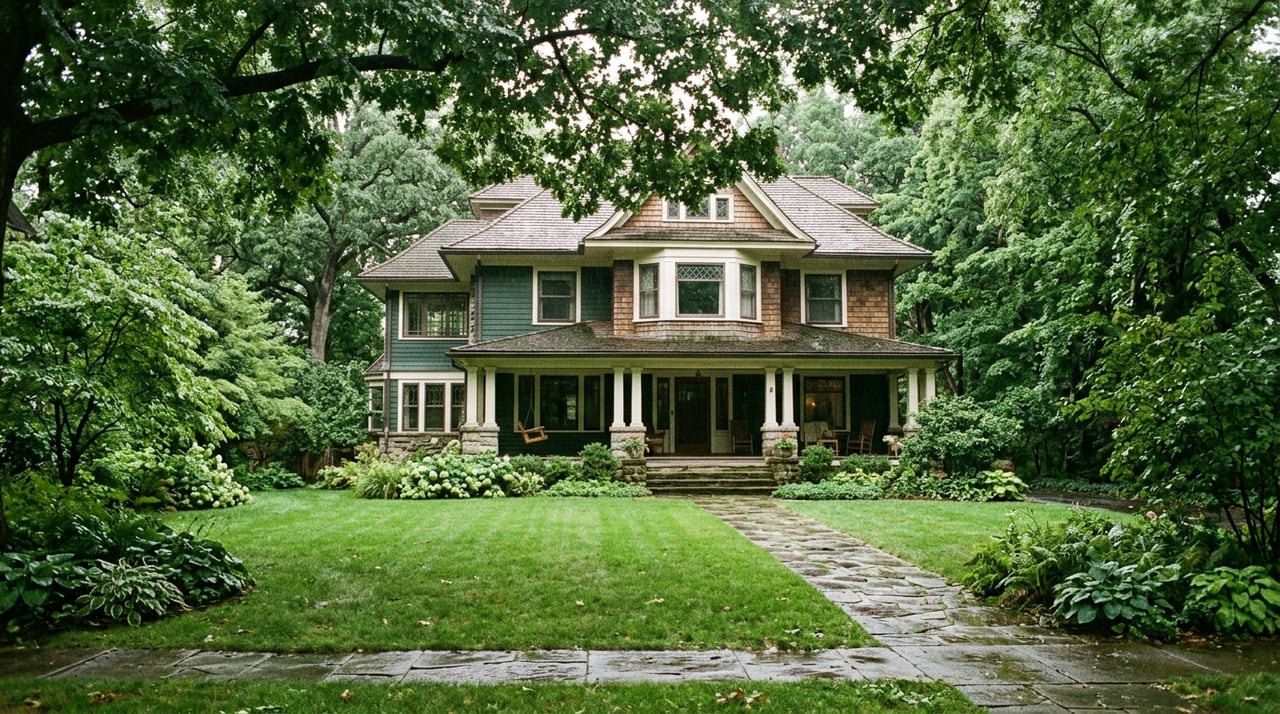
How Cornwall Park’s Character Homes Shape Your Search
July 23, 2026
July 23, 2026
Wondering why two homes in Cornwall Park can feel completely different even when they are only a few blocks apart? That is part of what makes this Bellingham neighborhood so appealing, and sometimes so tricky to shop. If you are drawn to older homes, tree-lined streets, and a neighborhood shaped by parkland rather than cookie-cutter planning, it helps to know what you are really comparing before you make an offer. Let’s dive in.
Cornwall Park stands out as a stable residential neighborhood with a strong single-family identity. City estimates show 962 housing units in the neighborhood, with 89.9% single-family housing, 5.8% middle housing, and 4.3% multifamily housing. In practical terms, that means your search will likely center on detached homes rather than large clusters of similar attached properties.
The neighborhood also takes much of its identity from open space. The City of Bellingham points to Cornwall Memorial Park, downtown and freeway access, the Bay to Baker Trail and Greenway, Parkview Elementary, and St. Joseph Hospital as key parts of the neighborhood context. When you tour homes here, you are not just evaluating square footage. You are also weighing how each property connects to the park, trails, streets, and daily routines.
In Cornwall Park, the lot and the setting can matter almost as much as the house itself. This is especially true around the Broadway Park Historic District, where the neighborhood pattern reflects an early streetcar suburb that later adapted to cars. Instead of a uniform subdivision layout, you will see diagonal streets, irregular half-moon and wedge-shaped lots, working alleys, and detached rear garages.
That layout changes how homes live. A house with alley access and a rear garage may offer a different street presence than a home with a front-drive setup. A wedge-shaped lot may create a more private backyard, a different garden layout, or an unusual footprint that affects future updates.
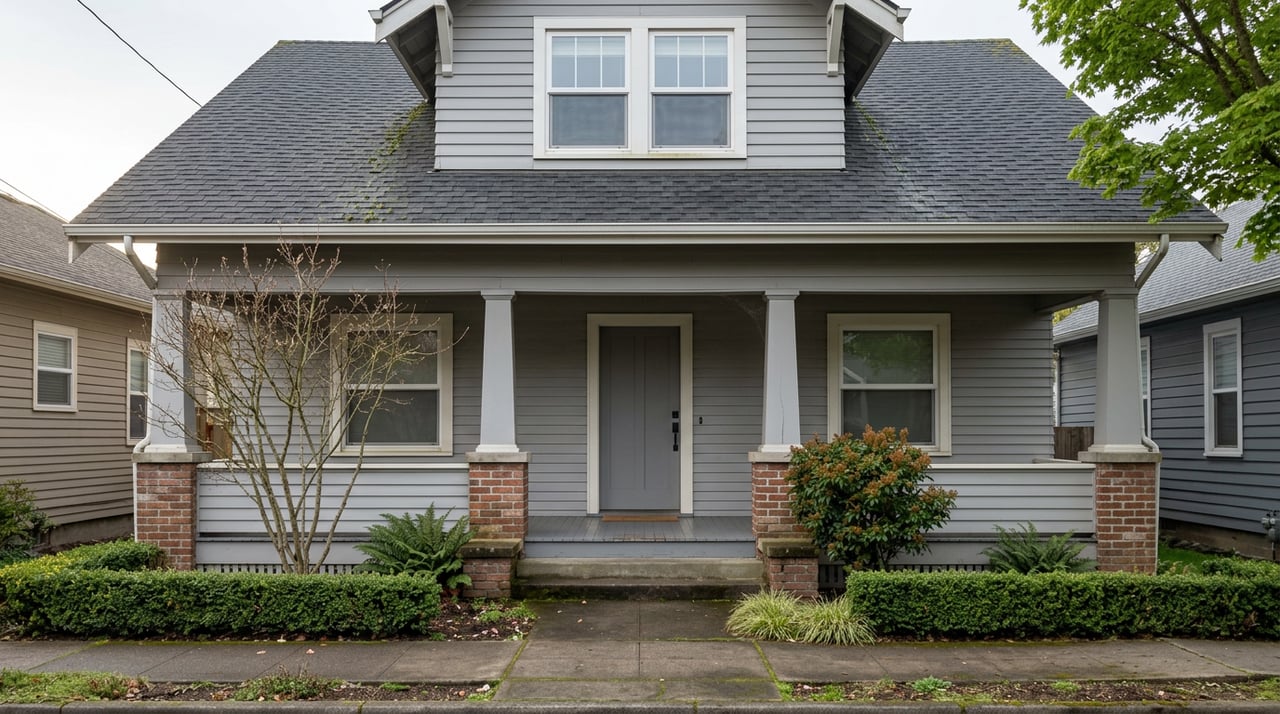
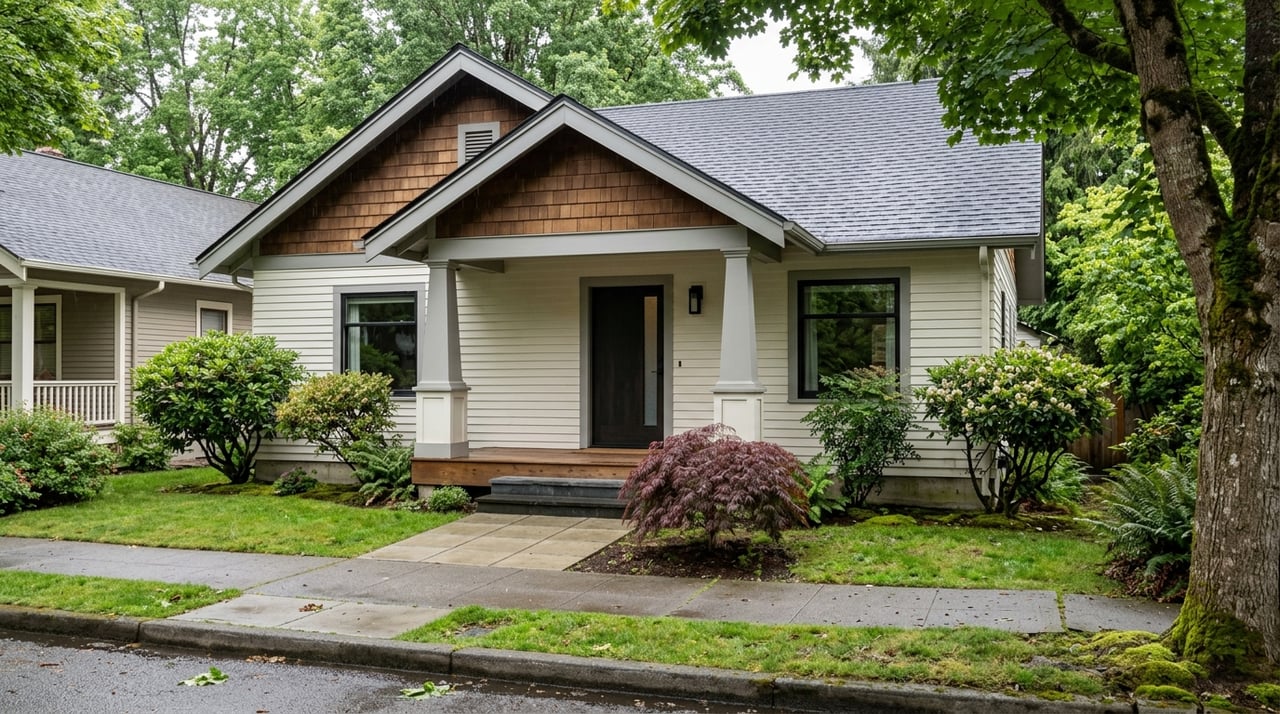
Within the Broadway Park Historic District, the period of significance is 1906 to 1931. The district includes 256 contributing buildings and 135 non-contributing buildings across 64 acres. The typical home is a one-and-a-half-story wood-framed single-family house, and 48% of the district is classified as Craftsman, with Colonial Revival, Four-Square, and Tudor Revival also common.
For you as a buyer, that means “character home” is not one single product type. It can mean original detailing, older windows, classic rooflines, rear-lot access, and a relationship to the street and park that newer homes often do not replicate. It also means no two listings should be treated as interchangeable.
Character-home searches work best when you compare features that actually drive value in Cornwall Park. Price per square foot can help, but it should not be your only filter. Homes here often differ in lot shape, park relationship, original materials, updates, and overall historic feel.
A smarter comparison often includes:
This matters because a park-facing home may offer views and convenience, but it can also come with more foot traffic, more noise, and more tree-related upkeep. A home one or two blocks away may feel quieter while still benefiting from easy park access. In many cases, the lifestyle fit matters just as much as the number on the listing sheet.
Cornwall Memorial Park is not just a nearby amenity. It is one of the neighborhood’s defining features. The city describes it as a 70-acre destination with more than 1.5 miles of trails, open fields, creek-side walking, mature forest canopy, disc golf, tennis, pickleball, playgrounds, and a spray park, with the Cornwall Rose Garden less than 100 yards away.
Because the neighborhood was planned around parkland, proximity to the park can shape demand. But that does not mean every home next to the park should be priced the same way or command the same premium. Park access is best understood as a lifestyle factor that needs context.
When reviewing homes near the park, it helps to think in terms of tradeoffs:
That is why the best comparable sales are not just “Cornwall Park comps.” They are homes with similar park exposure, lot function, and condition.
If a home sits inside the Broadway Park Historic District, that fact is important, but it is also easy to misunderstand. The City of Bellingham notes that National Register listing is primarily a federal recognition. For private owners, control generally remains with the owner unless federal money is involved.
For buyers, the key takeaway is simple: historic district status can add meaning and context, but it is not the same thing as a local regulatory overlay. In other words, the home’s historic value matters, yet you should not assume the listing automatically comes with the same kind of local restrictions some buyers expect from a historic designation.
That makes it even more important to review the specific property carefully. A house that retains original form and materials may appeal to you for its authenticity, while a heavily altered home may function more like a condition-driven purchase.
Older homes reward careful due diligence. In Washington, home inspectors perform visual, non-invasive inspections of accessible components such as the roof, foundation, exterior, heating and air conditioning, structure, plumbing, and electrical systems. Those inspections are useful, but they are not technically exhaustive and do not uncover every concealed condition.
That matters in Cornwall Park because many homes date to the early and mid-20th century. If you are considering one, your evaluation should go beyond whether the kitchen looks updated or the floors are charming. You want to understand how the home has aged and how previous work may have affected long-term performance.
Areas that deserve close attention include:
The city’s neighborhood plan also flags creeks, steep slopes, wetlands, and floodplain areas as part of the neighborhood’s open-space system. Because of that, site conditions matter. A beautiful setting can be a major plus, but it should come with a clear understanding of drainage, slope behavior, and moisture management.
If you are buying with renovation in mind, older Cornwall Park homes may offer real opportunity. They can also require a more thoughtful plan than a newer property. Many homes in the area were built before 1978, which means lead-safe renovation planning should be part of your preparation whenever projects may disturb painted surfaces, windows, or trim.
EPA notes that about three-quarters of U.S. housing built before 1978 contains some lead-based paint, and renovation work can create dangerous lead dust. For larger updates, lead-safe certified practices are the prudent benchmark. If your dream home needs cosmetic work now and bigger improvements later, it helps to budget both time and money with that reality in mind.
Renovation decisions also affect value differently in a neighborhood like this. Homes that retain original massing, windows, rooflines, and rear access are more likely to preserve the area’s historic character. By contrast, heavily remodeled properties or later-period infill may need to be judged more on condition and finish level than on pure character appeal.
Cornwall Park is often a neighborhood where patience and clear priorities pay off. Because the housing stock is varied, your best move is to decide early which tradeoffs matter most to you. That way, you can act quickly when the right fit appears instead of getting distracted by homes that are charming but not truly aligned with your goals.
Start with a few questions:
When you shop this way, your search becomes more focused and less reactive. That is especially helpful in a neighborhood where emotional appeal can be strong, but practical differences between homes are just as important.
In a neighborhood like Cornwall Park, the details behind the listing matter. A charming exterior does not tell you whether a lot functions well, whether a park-facing location fits your lifestyle, or whether an older remodel preserved the home’s strengths. Those are the kinds of nuances that shape both your day-to-day experience and your long-term value.
That is where local experience can make your search feel more confident. With deep Whatcom County knowledge, strong neighborhood perspective, and a trusted vendor network, Michelle Harrington can help you look past surface charm and evaluate Cornwall Park homes with clarity.
Stay up to date on the latest real estate trends.
1318 12TH ST BELLINGHAM WA 98225