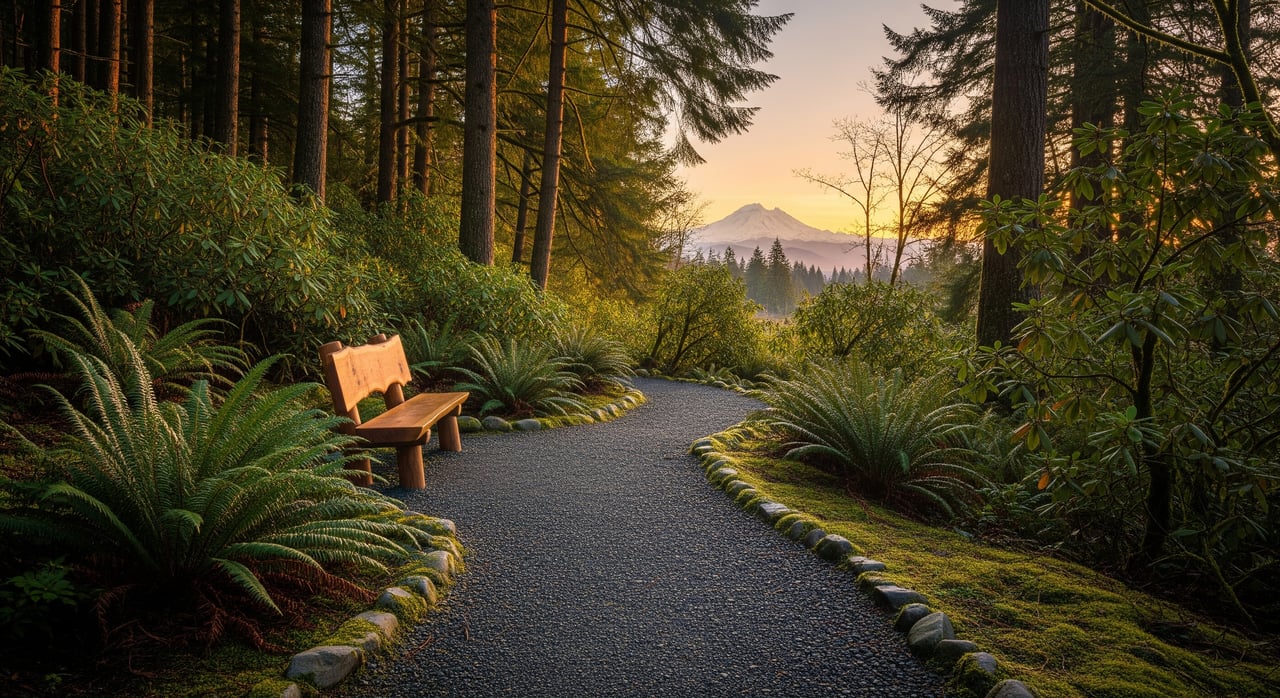
Parks And Trails Locals Love In Cornwall Park
January 15, 2026
January 15, 2026
If quick access to leafy paths, playgrounds, and bikeable streets is high on your list, the Cornwall Park neighborhood should be on your radar. Whether you are relocating to Whatcom County or moving across town, you want green spaces you will use every day, not just on weekends. This guide shows how locals make the most of parks and trails here, with tips for families, dog owners, and commuters, plus a simple day-in-the-life plan you can try on your next visit. Let’s dive in.
You will find a mix of everyday play areas, tree-lined walking loops, and multi-use paths that stitch the neighborhood together. Many outings are short and simple, like a 20 to 30 minute loop with the dog or a quick trip to the swings after school. Sidewalks and greenway-style connections make it easy to pair fresh air with small errands or a coffee stop. If you value practical, close-to-home outdoor time, this area fits that lifestyle.
You will see three common park types nearby, each serving a different routine.
Tip: When you explore, note the nearest crosswalks, shade coverage, and where you would sit while kids play. Those small details shape how often you will go.
Trails here range from paved multi-use paths to natural-surface loops under trees. Paved paths are the easiest for strollers, scooters, and casual biking. Natural-surface segments feel more woodsy and quiet, but can be muddy after rain. Many sidewalks and bike-friendly streets link homes to parks, schools, and transit, which helps reduce short car trips.
What to check as you tour:
Not all play areas serve the same age range. Look for signs that note age guidance and equipment type. Low, clustered features and bucket swings tend to favor toddlers, while taller climbing pieces suit older kids. Tables near play areas make snacks and homework breaks easier for caregivers.
A quick parent checklist:
Most neighborhood parks follow on-leash rules unless posted otherwise. Natural-surface trails can get muddy in wet months, so bring a towel for paws and plan a paved loop if you want to keep things cleaner. Early mornings are usually the quietest if your dog prefers calm spaces. Bring bags and use posted waste stations when available.
Paved paths and low-speed residential streets make short rides comfortable for most cyclists. Look for bike racks at parks and nearby businesses so you can stop for quick errands. If you commute by bus, check how your closest path links to the nearest stop and whether you can roll a few minutes from home. The simplest strategy is a 10 to 15 minute ride to a park, a short walk break, then a pedal to your next errand.
One of the best parts of the neighborhood is pairing outdoor time with everyday tasks. Plan a loop that includes a 20 minute playground stop, a coffee pickup, and a quick grocery run on the way home. Keep your pack light with a small lock for your bike, a water bottle, and a compact rain shell. If you walk at a steady 3 miles per hour, most five to ten minute legs are comfortable even with kids.
Community groups and volunteers often help keep parks tidy and trails clear. If you enjoy stewardship, look for posted cleanup days at kiosks.
Try this simple plan during a neighborhood tour. It shows how easy it is to fit green time into a normal day.
This mix keeps your total outing under 90 minutes while covering play, fresh air, and errands.
Bring this quick checklist on your next drive-by or walk-through:
Snap a few photos of trailheads and crossings so you remember the routes later.
You deserve clear, local guidance as you compare blocks, parks, and greenway access. With deep Whatcom County experience and a client-first approach, you get practical, day-to-day insight on how each street actually lives. If you want help mapping routes, timing walks to transit, or weighing park access in your search, connect with Michelle Harrington for a friendly, informed strategy. Reach out to Michelle at Michelle Harrington to get started.
Stay up to date on the latest real estate trends.
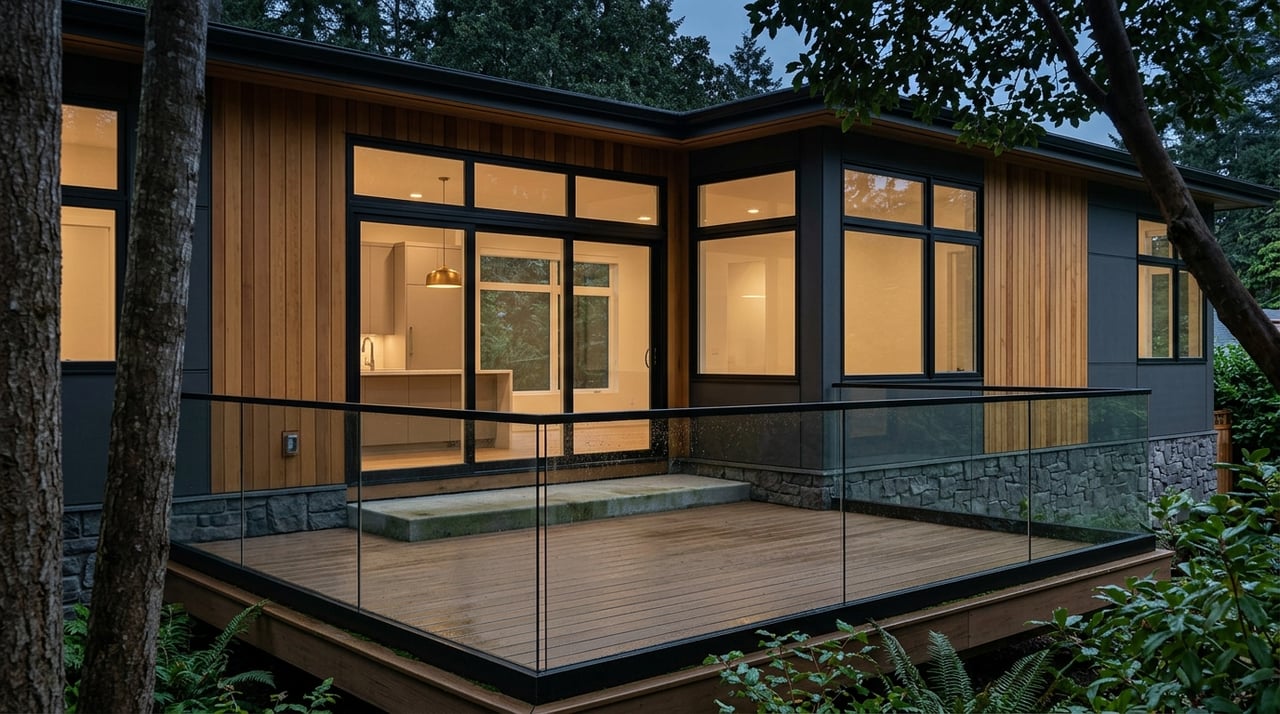
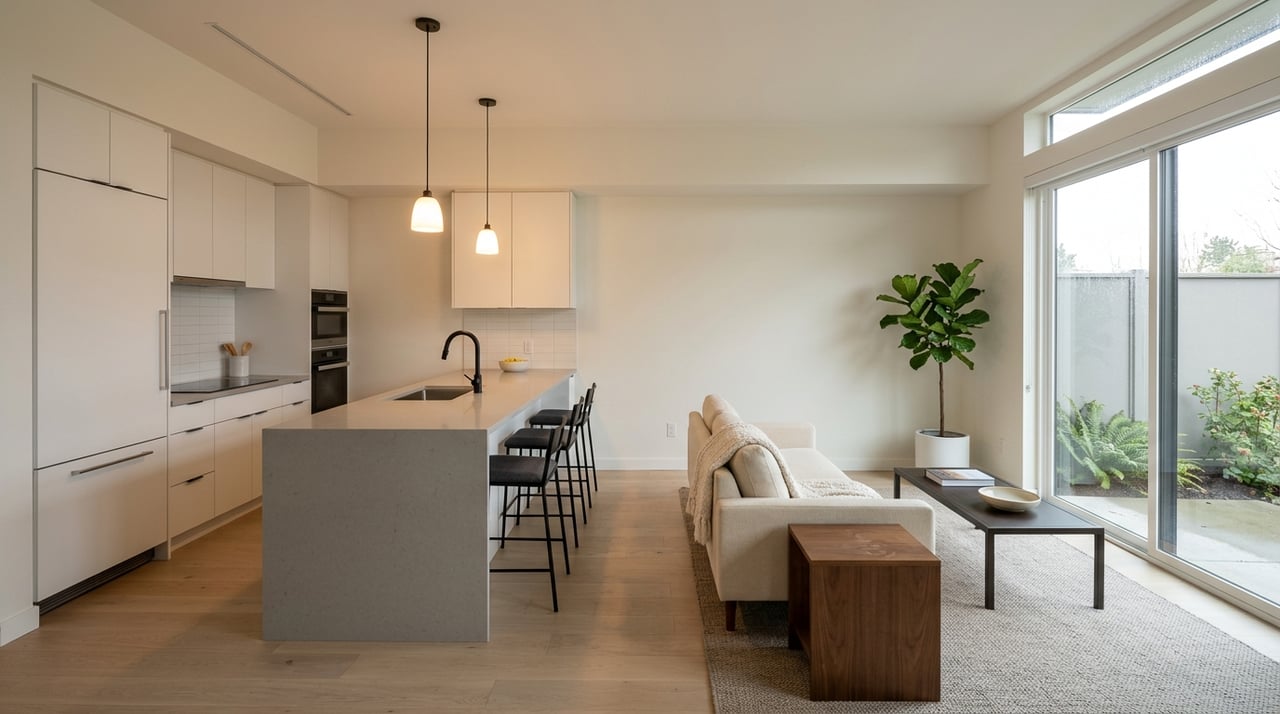
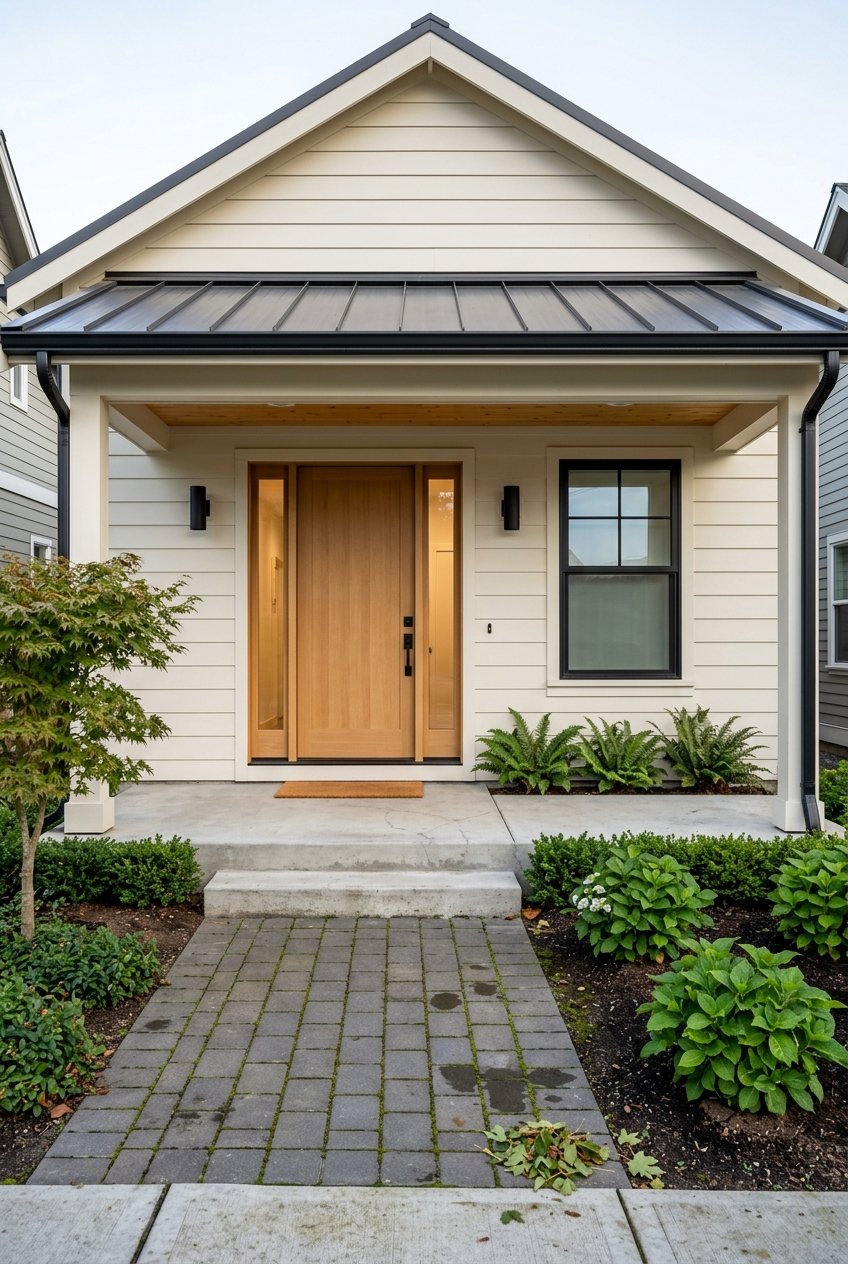
1318 12TH ST BELLINGHAM WA 98225