Western Washington University Real Estate: House-Hack Basics
March 24, 2026
March 24, 2026
Want your housing near Western Washington University to help pay for itself? If you are a parent buying for a student, a first‑time buyer, or a small investor, house hacking can be a practical path in Bellingham. In this guide, you will learn where demand concentrates, what to buy, how WWU lease timing works, and the key rules and numbers to plan for. Let’s dive in.
WWU enrolls roughly 14,700 students as of Fall 2024, and totals have remained in the mid‑14k range. That means off‑campus demand is steady and meaningful for nearby rentals. You can confirm the current enrollment trend in recent WWU updates on total enrollment.
Citywide home prices vary by source, but reporting has placed Bellingham medians in the six‑hundreds to around the mid‑seven‑hundreds in recent snapshots. For context, a local report highlighted a median near $750,000 in 2025 (Cascadia Daily). House hacking can help offset ownership costs by renting extra bedrooms or a second unit while you live on site.
If proximity is your priority, start with Sehome and the immediate WWU area. These neighborhoods host many student rentals and older multi‑unit properties within walking or biking distance of campus. The City’s page on the Sehome neighborhood is a helpful orientation.
Both are a short ride from campus and popular with renters who want quick access to shops, transit, and services. You will find a mix of small multiplexes and larger apartments in these corridors. WWU’s Off‑Campus Living site is a good pulse check for timing and student search behavior when you plan your listing strategy (WWU Off‑Campus Living).
In Bellingham’s student market, many leases end between late May and September. Expect a concentrated re‑letting season, higher summer turnover, and potential gaps if you aim primarily at student renters. WWU’s Off‑Campus Living program explains this pattern and offers planning tips for the timing crunch (lease timing overview).
Most non‑student rentals use 12‑month fixed terms. Student‑focused homes sometimes mirror the academic year or require lease takeovers rather than short sublets. Co‑signers are common for students. WWU provides guidance on the practical differences in leases, co‑signers, and tenant protections (signing your lease).
Bellingham runs a Rental Registration & Safety Inspection Program (RR&SIP) that requires most rentals to register and be inspected about every three years for life and fire safety. There are important details for house hackers: owner‑occupied duplexes are exempt from inspection fees and some inspection requirements. Always confirm current exemptions and timing with the City. Start with the City’s RR&SIP resources and FAQs.
Washington’s Residential Landlord‑Tenant Act sets rules for deposits, move‑in checklists, notice periods, and entry. WWU’s leasing guidance summarizes key protections and paperwork requirements for tenants and landlords (lease guidance).
If you plan to add a unit or convert space, recheck ADU and zoning rules and whether any owner‑occupancy clauses apply at permit or at final occupancy. The City’s ADU handbook is your starting point, but policies evolve, so verify details with Planning.
FHA’s 1–4 unit program allows you to purchase a duplex, triplex, or fourplex as an owner‑occupant, often with a down payment as low as 3.5% if you qualify. Lenders can count a portion of projected rental income from the other units during underwriting, subject to guidelines. Review the structure in this FHA 203(b) overview and confirm the current county loan limits using HUD’s lookup for Whatcom County (HUD loan limits).
Conventional and local portfolio lenders also finance 2–4 unit owner‑occupied purchases, but down payments and credit standards can differ. Compare multiple lenders before you write offers, and ask exactly how they will underwrite rental income from other units.
Student‑oriented homes usually turn over in summer, so plan for extra cleaning, repainting, minor repairs, and several weeks to months of downtime if a lease does not align perfectly with the school calendar. WWU underscores this seasonal rhythm in its lease‑timing guidance.
For your numbers, use conservative reserves. Many small‑landlord guides suggest:
You can review practical reserve guidance here: rental reserve and cushion basics. Update these assumptions after a professional inspection so your budget reflects the specific home.
Use this quick checklist to reduce surprises and keep your math realistic:
Buying near WWU can be a solid house‑hack move when you pair the right property with careful budgeting and compliance. Focus on location near campus, align your leases with the academic calendar, build healthy reserves, and verify City rules early so your first inspection is smooth. If you want help identifying properties, pressure‑testing numbers, or coordinating inspections and vendors, connect with Michelle Harrington. With 23+ years in Bellingham and a curated local network, she will help you move from idea to confident action.
Stay up to date on the latest real estate trends.
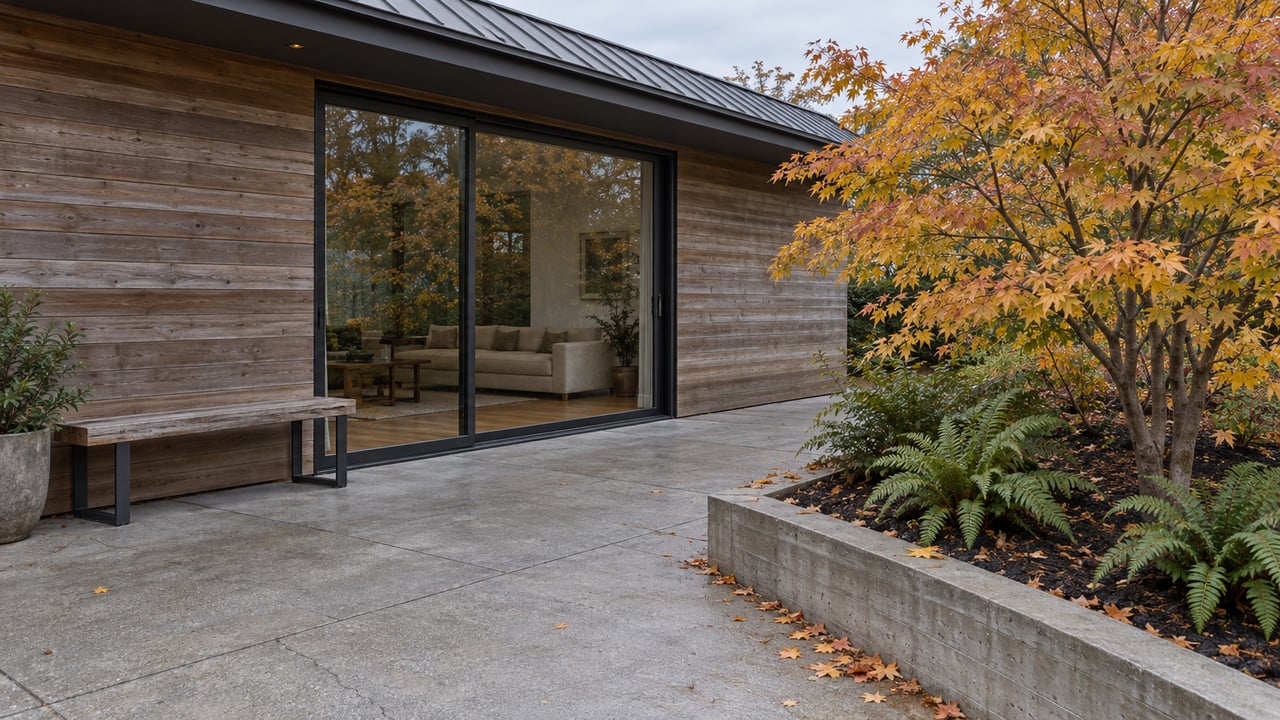
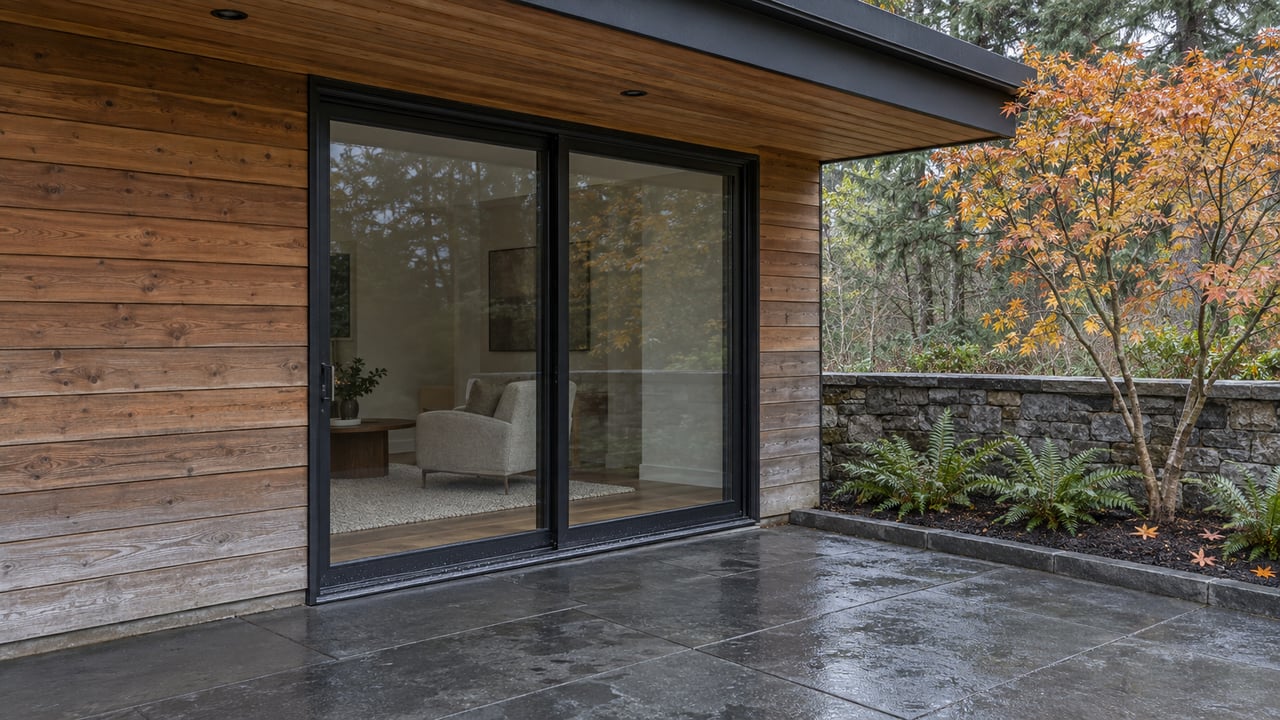
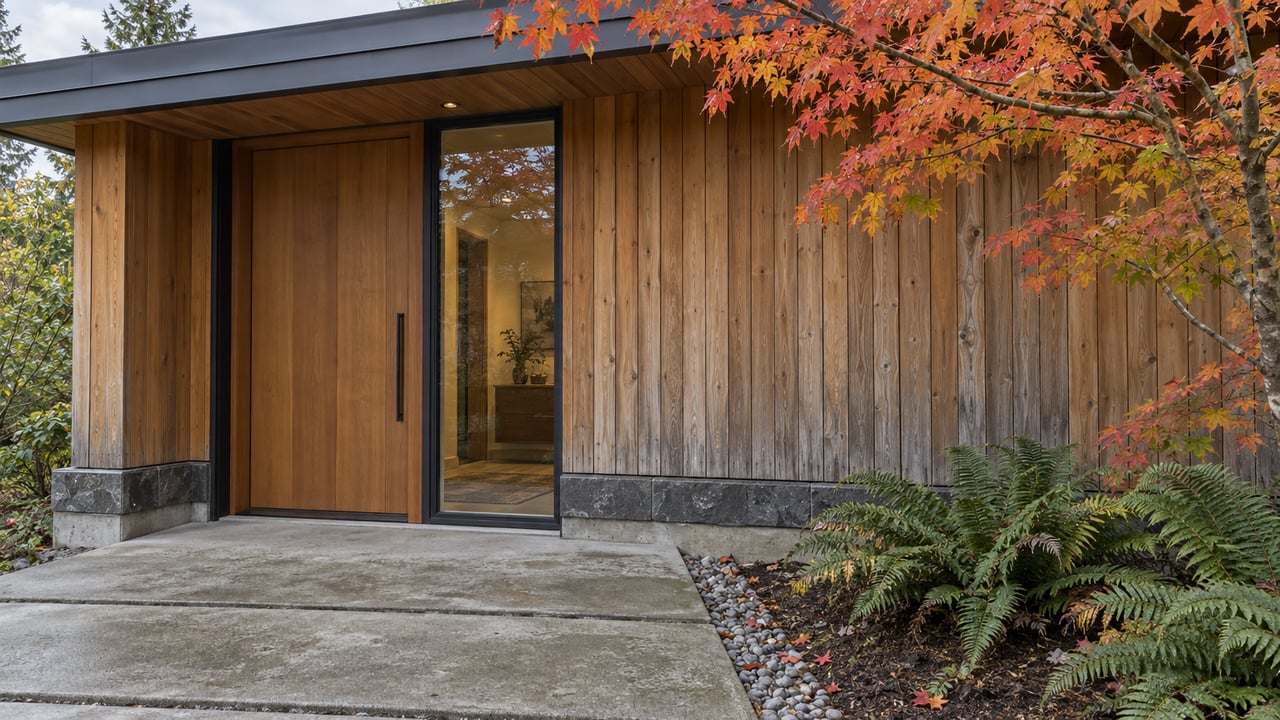
1318 12TH ST BELLINGHAM WA 98225