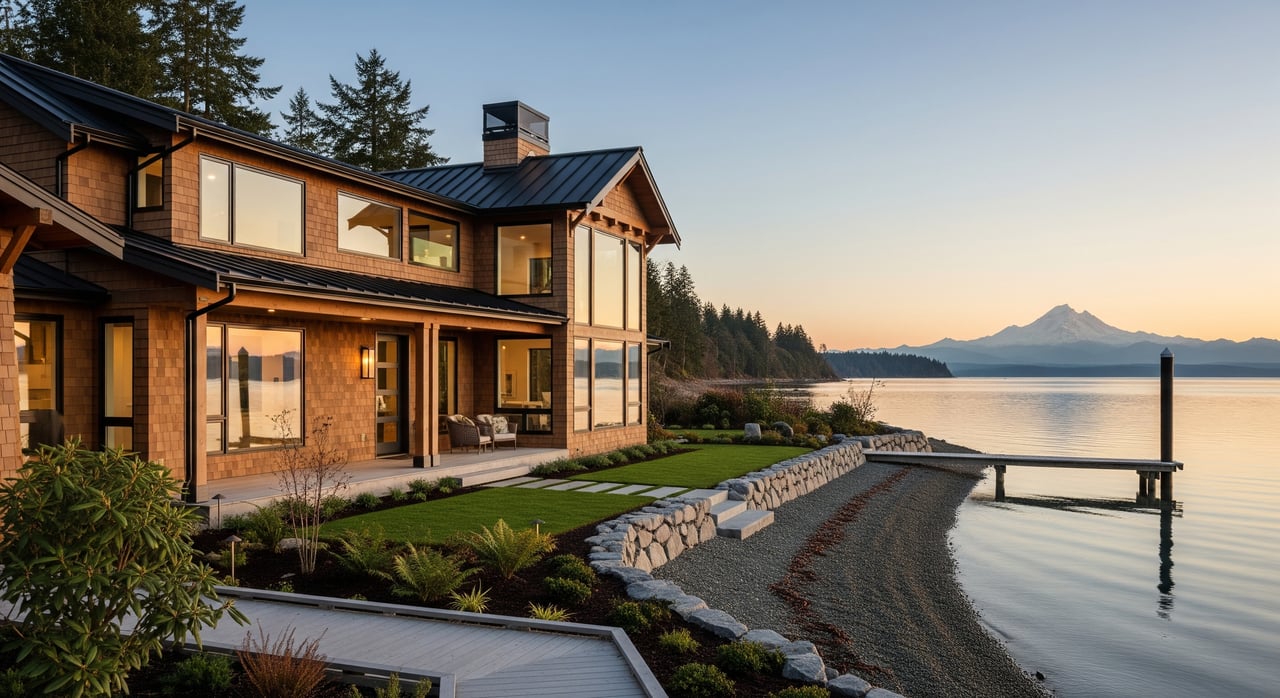
How Days on Market in Whatcom County Affect Price
January 1, 2026
January 1, 2026
Why do some Lynden homes draw offers in a week while others linger for months? If you are planning a move in 98262 or anywhere in Whatcom County, that small number called Days on Market can shape your price, leverage, and timeline. You want to list smart, negotiate confidently, and avoid leaving money on the table. Here is a clear, local guide to what DOM means, how it influences price and negotiations, seasonal patterns in Whatcom County, and a simple checklist to help you prepare. Let’s dive in.
Days on Market counts how many days a home is actively listed before it goes under contract. It is a quick way to see how fast a property is moving compared with others nearby. Many buyers and sellers use DOM as a speed signal, not a quality score.
You may also see Cumulative Days on Market, which adds up the days across re-listings or broker changes. Some systems reset the visible count after certain status changes, while others keep the cumulative number. Ask your agent to confirm whether the data you are viewing is cumulative.
Remember that public portals and the local MLS can display DOM differently. Information can lag or be formatted in different ways, so verify the full listing history before you draw conclusions.
Whatcom County sits along I‑5 with close ties to Bellingham’s job market and the Canadian border. That mix of commuting, cross-border travel, and local lifestyle draws a varied buyer pool. When border or rate conditions shift, demand and DOM often move with them.
After the 2020–2022 surge, many western Washington markets cooled as mortgage rates rose. Inventory loosened relative to those peak years and median DOM increased from the early-pandemic lows. In Whatcom County, DOM has since fluctuated with interest-rate changes and normal seasonality.
The takeaway is simple. DOM is context-driven. You get the best read by comparing a home’s DOM to recent local listings and sales in the same micro-area.
Seasonal rhythms still matter, even in busy markets. Typical patterns look like this:
Local conditions can compress or stretch these timelines. A hot seller’s market speeds everything up. A cooling period makes winter feel slower.
DOM influences price and leverage on both sides of the table. Here is what usually happens:
There is also a practical financing angle. Appraisers rely on recent comparable sales. If a property sits for a long time, it can fall out of sync with the latest comps, which may trigger closer appraisal scrutiny.
DOM is a helpful signal, but not the full story. Use it alongside a deeper look at the property and the neighborhood context.
You have the most control before you go live. Presentation, pricing, and access drive your first two weeks, which often sets your final outcome.
With 23+ years in Whatcom County and a deep vendor network, we regularly align price and presentation to capture that early momentum. Staging and clear listing copy help buyers understand the value fast. Flexible showings increase exposure during the critical first 10 to 14 days.
Before you decide to bid or adjust price, scan the full marketing story. Focus on the signals that reveal motivation and market fit.
If you are selling, align your price with recent comps and expected buyer financing. When buyer demand softens or rates change, stale listings are more likely to face appraisal questions. Clear documentation of updates, permits, and comparable sales helps support value.
If you are buying, long DOM can mean room to negotiate. Still, verify that the price you offer will appraise with your loan type. A well-supported offer can save time and reduce surprises.
Use this quick checklist before you list to shorten DOM and protect your price.
With Compass Concierge and a curated vendor network, we can help you prioritize prep, coordinate improvements, and launch fast. That way you attract the right buyers early and negotiate from strength.
Most years, spring in Lynden and the surrounding area brings more listings and faster sales, with DOM typically shortening. Summer stays active but can slow during vacation weeks. As fall and winter arrive, DOM often lengthens and buyers have more time.
Year to year, interest rates and local supply will shift these patterns. The smart move is to compare your home’s DOM and pricing to fresh, hyperlocal comps right before you list. A small early adjustment can be cheaper than multiple reductions after momentum fades.
If you are buying or selling in Lynden or anywhere in Whatcom County, a clear plan around DOM, pricing, and presentation can make all the difference. Let’s map your timeline, prep plan, and negotiation strategy so you launch with confidence and sell with momentum. Reach out to Michelle Harrington to get started.
Stay up to date on the latest real estate trends.



1318 12TH ST BELLINGHAM WA 98225