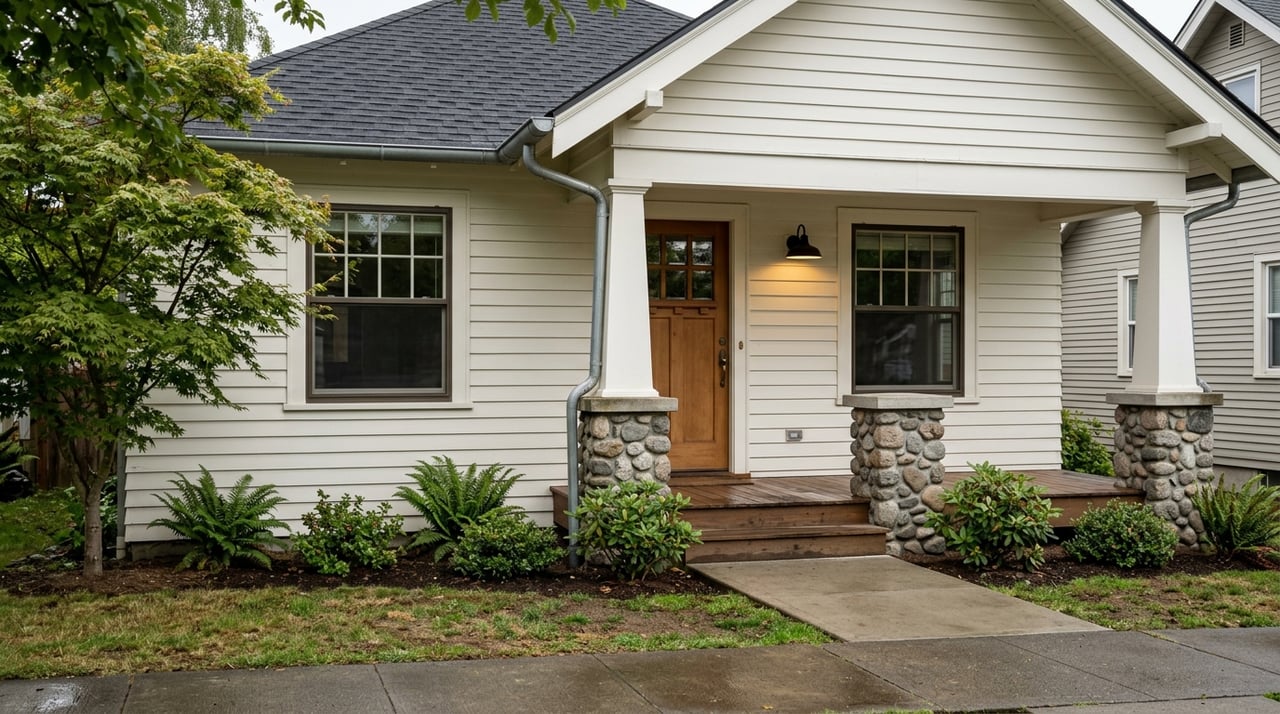
Buying Lettered Streets Historic Homes in Bellingham
May 21, 2026
May 21, 2026
If you love the idea of a character home with a front porch, original millwork, and a story behind the walls, Lettered Streets probably already has your attention. It is one of Bellingham’s oldest residential areas, and that historic feel is part of what makes buying here so appealing. But older homes come with a different planning process than newer construction, especially when you are thinking about inspections, permits, and renovation costs. This guide will help you sort out what “historic” really means in Lettered Streets, what to inspect first, and how to budget with more confidence. Let’s dive in.
Lettered Streets has deep roots in Bellingham’s early development. The City of Bellingham describes it as a neighborhood built largely in the late 1890s and early 1900s, with a diagonal street pattern tied to the area’s early shoreline layout.
That older character is still visible today. In the city’s 2007 to 2009 survey, 717 of 887 principal structures in the neighborhood were built before 1960, and 324 resources, or 45%, were built between 1890 and 1909. In other words, historic character is common here, even though not every home has the same designation.
This is one of the most important things to understand before you buy. A neighborhood can feel historic at the street level without every property being formally designated on a historic register.
In Lettered Streets, there is a smaller National Historic District called Cissna Cottages that covers one block plus two lots within the larger neighborhood. City materials also explain that National and State registers are honorary, while the Local Historic Register is regulatory.
If a property is locally listed, or if it is a contributing property in a local historic district, some exterior changes may need city review and a Certificate of Alteration before a permit is issued. Local listing is voluntary and owner-approved, and it may also come with financial incentives, expanded land-use options, and some building-code flexibility.
That means your first planning step is simple: find out whether the specific home you are considering has any local designation status. It can shape your renovation timeline, design choices, and permit path.
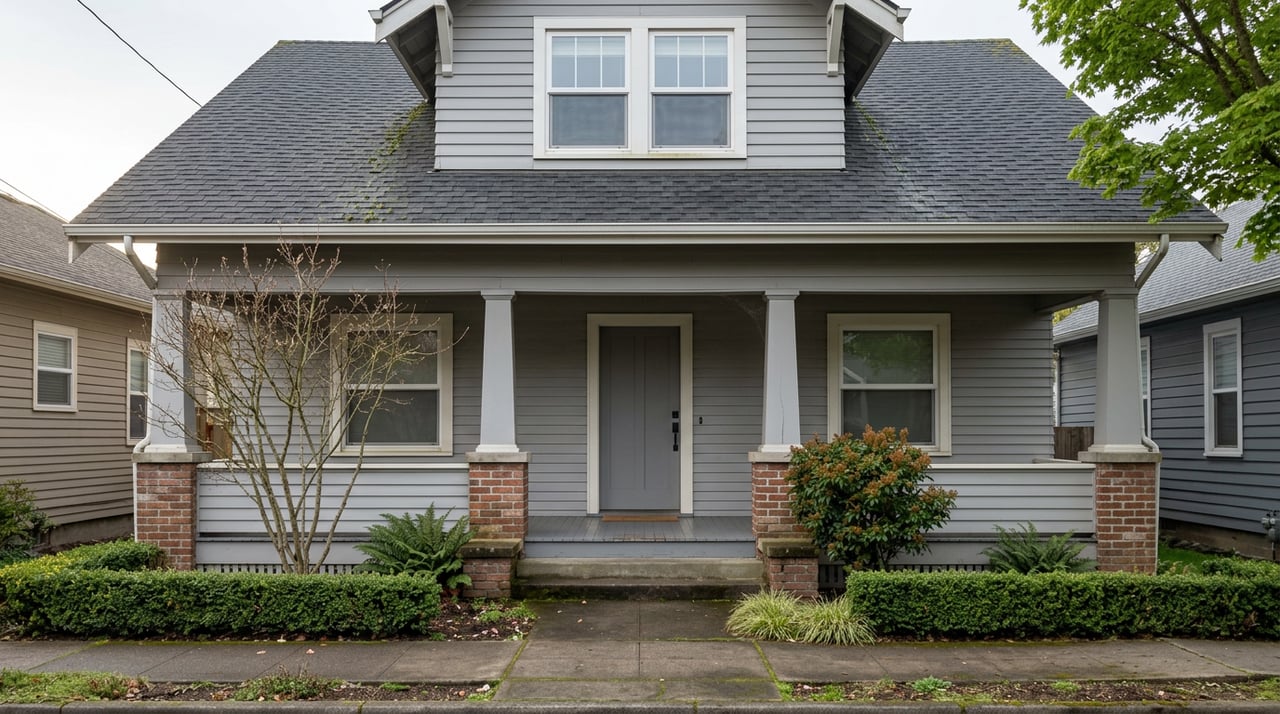
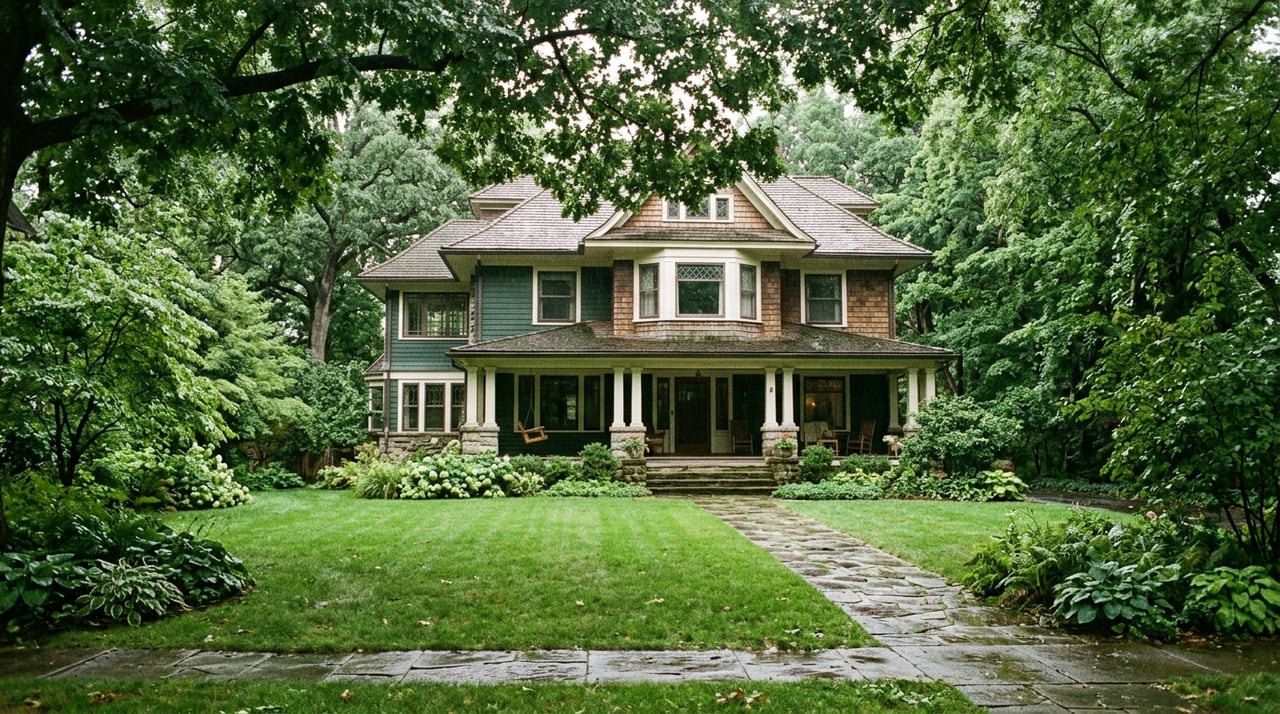
Lettered Streets is best understood as a neighborhood of early-20th-century character homes, not a place defined by one single style. City survey materials for older Bellingham neighborhoods identify forms such as Queen Anne, Arts and Crafts or Craftsman, American Foursquare, Vernacular, Colonial Revival, and later infill styles like Ranch and Tudor Revival.
For buyers, that creates a streetscape with variety rather than repetition. You may see asymmetrical rooflines and decorative trim on one block, then porch-centered homes with wide eaves on the next.
Many homes in Lettered Streets reflect early-1900s building trends and have been adapted over time. Features that often stand out include:
That mix is part of the charm. It also means every house tells a slightly different story, so it is smart to evaluate each property on its own condition and update history.
One of the most useful ideas from the city survey is that historic integrity and physical condition are not the same thing. A home can retain strong historic character even if parts of it need repair or have been altered over time.
That matters because you do not want to confuse charm with maintenance level. A home may look wonderfully intact from the street while still needing work behind the scenes.
The city survey shows where changes have commonly happened in Lettered Streets homes. Only 5% of surveyed buildings had extensive plan alterations, which suggests many homes still keep their original shape or massing.
At the same time, windows were often changed. The survey found that 55% had windows that were moderately to extensively altered, and it notes vinyl windows and bronzed aluminum sliders as common replacements.
Siding is another good first-pass inspection topic. The survey found that 63% had intact or slightly altered siding, but it also notes later siding materials such as asbestos, metal, vinyl, and cementitious products.
That makes these questions worth asking early:
The neighborhood plan says sanitary sewer and water mains in Lettered Streets are among the oldest within city limits and have undergone ongoing replacement and rehabilitation. That does not mean any specific house has a problem, but it does support giving extra attention to utility age, drainage, and visible signs of patchwork repairs.
When you walk a property, look for clues like uneven grading, signs of repeated water management fixes, or older visible service connections. These details do not tell the whole story, but they can help shape your inspection priorities.
If the home was built before 1978, lead-based paint should be part of your planning conversation. The EPA says older homes are more likely to contain lead-based paint, and renovation or repair can create hazardous dust if painted surfaces are disturbed.
Asbestos can also be present in older materials such as floor tile, ceiling tile, shingles, siding, pipe wrap, plaster, and insulation. If you plan to remodel, suspect materials should be tested before they are disturbed.
Bellingham generally requires permits before work begins for construction, enlargement, alteration, repair, moving, or demolition of a building or structure. Permits are also generally required for electrical, gas, mechanical, and plumbing work.
Some finish work is typically exempt, including painting, carpeting, tile, cabinets, countertops, and ordinary repairs. But those exemptions do not include structural changes, egress changes, or utility-system work.
For locally designated historic properties, the process is stricter. City application materials state that no one may construct, alter, remodel, repair, move, or demolish an individually listed local historic property, or a contributing property in a local historic district, without a Certificate of Alteration or Demolition.
The planning department will not issue the related permit until that certificate is received. Ordinary maintenance and repairs are exempt, and some like-for-like work may be reviewed administratively.
Examples of work that may qualify for administrative review include:
The city’s Historic Preservation Commission strongly recommends having an architect or architectural historian supply the design for a Certificate of Alteration. For buyers, that is a practical signal.
Historic-home projects usually go more smoothly when your contractor, designer, and permit team already understand local expectations and can document compatibility clearly. Early planning can save time, reduce redesign costs, and help you avoid surprises after closing.
The city also handles permit tracking, fee payment, and inspection scheduling through its TRAKiT and eTRAKiT system. That makes it easier to confirm whether your planned work is cosmetic, permit-triggering, or both.
One of the best ways to budget for a historic home is to think in layers. Instead of trying to price every future project at once, separate visible updates from building-envelope work and hidden systems.
That approach can help you make a stronger offer and avoid spending your full budget on the wrong category first.
This includes paint, patching, flooring, fixtures, trim repair, and other finish-level work. These projects are usually the least disruptive, but they can still cost more in older homes if lead-safe practices are needed or if you want historically compatible finishes instead of standard modern replacements.
Cosmetic work can make a home feel fresher quickly, but it should not distract you from larger priorities.
This layer includes roofs, siding, porches, and windows. In Lettered Streets, windows are a common alteration point, while siding is often partially original or only slightly altered.
If preserving character matters to you, this is where costs can rise. Repairing older elements or choosing more compatible replacements may require more planning than a basic off-the-shelf solution.
This includes plumbing, electrical, mechanical systems, foundation work, roof framing, and any structural or seismic upgrades. City permit rules treat these items as permit work, and historic-preservation review may also affect how they are handled on designated properties.
In Lettered Streets, it is reasonable to leave contingency room for hidden system work. That is especially true when a home has visible patchwork updates or a long history of partial improvements.
If you are serious about buying in Lettered Streets, your goal is not to avoid old-house quirks. Your goal is to understand them early enough to make a good decision.
A solid planning approach looks like this:
That kind of preparation is especially helpful if you are relocating, moving up, or trying to balance charm with a realistic renovation budget.
Lettered Streets offers something many buyers want but cannot easily recreate: homes with real age, texture, and presence in one of Bellingham’s most established neighborhoods. With the right due diligence, you can enjoy that character without going into the process blind.
If you are thinking about buying a historic or character home in Bellingham, working with someone who knows the local housing stock, permit landscape, and neighborhood nuances can make the process much easier. Michelle Harrington brings more than 23 years of Whatcom County experience, over 1,000 closed transactions, and a trusted local vendor network to help you evaluate opportunities with clarity and confidence.
Stay up to date on the latest real estate trends.
1318 12TH ST BELLINGHAM WA 98225